Eco-Friendly Curtain Cleaning at Home & Office

Ever pulled your curtains open and seen dust fly into the sunlight? Or noticed a stale smell that just won’t go away? Curtains quietly trap dust, dirt, and allergens, and most of us don’t even think to clean them. But the air you breathe, whether at home or in the office, is affected more than you might realise. That’s where eco friendly curtain cleaning comes in. It’s a simple, safe way to freshen up your space without using harsh chemicals. It’s better for your health, gentle on your curtains, and kinder to the environment. In this article, we’ll show you easy, natural ways to clean your curtains that actually work and leave your space feeling lighter, brighter, and cleaner.

Why Choose Green Curtain Cleaning Methods?

When it comes to cleaning curtains, more people are turning to sustainable curtain cleaning because it’s better for the planet and safer for your space. Here’s why it’s worth switching to a greener approach:

  • Cuts down on exposure to toxic chemicals often found in standard detergents.
  • Helps reduce indoor allergens, dust mites, and bacteria naturally.
  • Less wear and tear on fabric, extending the life of your curtains.
  • Energy-efficient methods like steam clean use less water and power.
  • Supports overall wellness, especially in homes with kids or pets.
Eco-Friendly Curtain Cleaning

Effective Green Curtain Cleaning Methods

There are a few proven green curtain cleaning methods that are both efficient and safe. Whether you’re tackling it yourself or hiring a service, these options are your best bet:

1. Steam Cleaning

A popular method that uses high-temperature steam to sanitise and lift dirt without any chemicals.

  • Great for heavy curtains and those with mould or mildew.
  • Doesn’t leave any residue.
  • Works well on-site, which saves you from unhooking and rehanging.

Related: Learn more about the benefits of professional curtain steam cleaning.

2. DIY Natural Solutions

There’s no need for commercial sprays when you can use non-toxic curtain cleaning solutions from your pantry.

Try these at-home mixes:

  • Baking soda + vinegar paste for stubborn spots.
  • Diluted castile soap for general surface cleaning.
  • Essential oils (like tea tree or eucalyptus) for freshness and antibacterial properties.

Make sure to test any solution on a small spot before using it on the whole curtain. For extra tips, check our guide on natural ways to maintain curtains at home.

3. Vacuuming & Brushing

Regular vacuuming with a soft-brush attachment helps keep dust at bay. This step is key for people with asthma or allergies and supports long-term fabric health.

Fabric-Specific Cleaning Tips

Depending on your curtain material, you might need to tweak your cleaning methods. Using a biodegradable curtain cleaner is ideal across most fabric types as it’s gentle and residue-free.

Here’s what works best for common curtain types:

  • Cotton & polyester: Machine washable on cold with eco-friendly detergent. Air dry to avoid shrinkage.
  • Linen: Hand wash or dry clean only. Use gentle, plant-based soap.
  • Silk & velvet: Avoid machine washing. Use handheld steamers or professional help.
  • Blackout curtains: Spot clean and lightly steam; soaking can damage their light-blocking layer.

Reading the care label is crucial before doing anything! Need guidance? See our detailed advice on safe cleaning methods for delicate curtains.

Cleaning Frequency: How Often is Enough?

You might wonder how often to clean your curtains. Here’s a rough guide to help:

  • Weekly: Vacuum or lightly brush to remove surface dust.
  • Every 3 – 6 months: Deep clean with steam or wash, depending on fabric.
  • Immediately: Spot treat spills or stains before they set.

Regular upkeep is much easier than waiting until curtains are visibly dirty. And with chemical-free curtain washing, it’s safe enough to do more often if needed.

Natural Drapery Cleaning Tips for Homeowners & Offices

Sometimes, it’s the small habits that make the biggest difference. These natural drapery cleaning tips will help you maintain clean, healthy curtains between major washes:

  • Air them out: Open windows and let your curtains breathe once a week.
  • Avoid moisture: Bathrooms and kitchens can lead to damp curtains. Use an exhaust fan or dehumidifier.
  • Sunlight = natural disinfectant: A few hours in gentle morning sun helps kill bacteria.
  • Use curtain liners: These catch most of the dirt and are easier to clean.
  • Rotate curtains: Swap them between rooms seasonally to spread out wear and sun exposure.

Consistency is key. Regular care keeps grime from building up and reduces the need for harsh cleaning.

Safe for Families, Pets & Allergy-Prone Spaces

When you’re living with young children or pets, it’s important to choose safe curtain cleaning for pets and kids that won’t leave behind chemical residues.

Steam cleaning is one of the best choices. It uses only heat and water, no detergents. And for DIY options, white vinegar and baking soda are naturally non-allergenic. Just avoid synthetic fragrances or harsh alcohol-based cleaners, which can trigger sensitivities.

For families or offices with allergy-prone individuals, stick to hypoallergenic, fragrance-free cleaning products and vacuum your curtains often.

Beyond Clean: The Environmental Impact

Eco curtain cleaning goes beyond hygiene, also lowering your environmental footprint. Choosing chemical-free curtain washing methods supports water conservation, reduces plastic waste (from cleaning product packaging), and avoids releasing toxins into waterways.

Even better, it often means fewer trips to the dry cleaners, reducing emissions from transport and energy use from machines.

How Green Cleaning Measures Up to Traditional Methods?

Let’s break it down:

Feature Traditional Cleaning Eco-Friendly Cleaning
Chemical Use High Low to none
Fabric Damage Moderate to high Low
Pet/Kid Safe Often not Yes
Environmental Impact High Minimal
Cost Varies (often higher with dry cleaning) Lower, especially DIY

Green cleaning is not only healthier and more sustainable, it’s usually cheaper and easier too.

Make the Sustainable Switch

Clean curtains can make a big difference to how your home or office feels, lighter, fresher, and healthier. And with eco friendly curtain cleaning, you don’t need to rely on harsh chemicals to get great results. Natural, gentle methods are better for your health, safer for kids and pets, and kinder to the planet. At Drapes Cleaning, we make it easy to keep your curtains looking and feeling fresh, using safe and sustainable methods that really work. Whether you need a deep clean or just a refresh, we’re here to help. Give us a call on 0488 847 046 and let’s bring your curtains back to life, the natural way. A cleaner space starts with cleaner drapes.

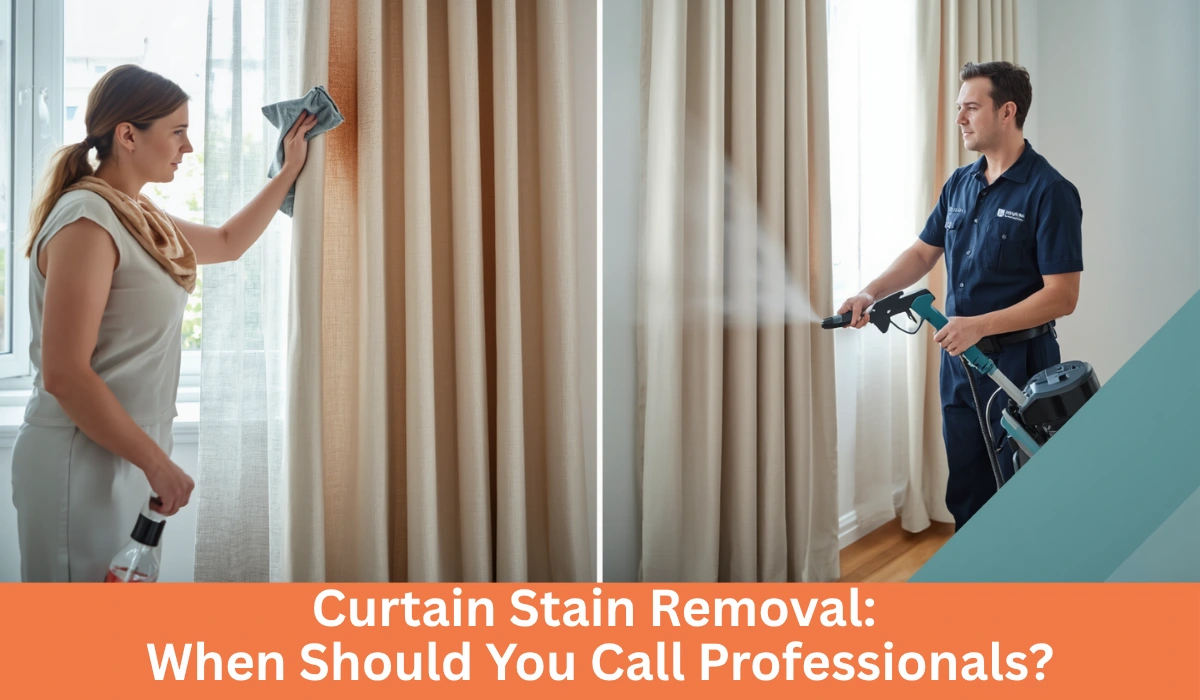
Curtains don’t usually get much attention.. until there’s a big, ugly stain right in the middle of them. Maybe the dog brushed up against them with muddy paws, or your morning coffee took a detour. We’ve all been there, staring at the mess and wondering if we really have to take the whole curtain down to clean it. The good news? You probably don’t. In most cases, spot cleaning curtains at home is all you need to get them looking fresh again. It’s quicker, easier, and way less hassle than a full wash. In this guide, we’ll walk you through when spot cleaning is enough, how to do it properly, and a few easy tricks to deal with common stains without the stress.

When Spot Cleaning is Enough?

Even if your curtains look like they’ve been through a war, a full clean might be overkill. Often, it’s just one or two small areas causing all the drama, and that’s where curtain stain removal tips come in handy. You only need to treat the visible mess, especially if the fabric is delicate or dry-clean-only.

Spot cleaning is perfect for:

  • Accidental food or drink spills
  • Pet paw prints or nose smudges
  • Water stains near windows
  • Dust patches from lack of air circulation

If the stain is fresh and isolated, you can usually sort it out without dunking the whole curtain in water.

Spot Cleaning Curtains

Prep Before You Start Spot Cleaning

Before you jump into stain-fighting mode, take a moment to prep. This step helps you avoid damaging the fabric while giving the spot treatment a better chance to work. If you’re short on time, check how to clean curtains while still hanging for ways to refresh them without removal.

Here’s your quick setup checklist:

  • Read the care label: Some fabrics can handle a bit of water and soap; others might shrink or lose colour.
  • Vacuum the curtain first: This lifts dust and loose particles so you’re not rubbing grit into the fabric.
  • Do a patch test: Choose a hidden corner and try your cleaner there first. No one wants a bigger mess than they started with.

Once you’ve ticked these off, you’re ready to remove stains from curtains like a pro.

Common Curtain Stains and How to Treat Them?

Different stains need different fixes. Let’s break it down with easy steps you can try at home.

  • Food & drink (coffee, tea, juice): Mix warm water with a small bit of dish soap, blot with a cloth, and rinse with cool water.
  • Wine or berries: Club soda works wonders. Dab it on, blot gently, and repeat.
  • Grease & oil: Rub a drop of mild detergent into the stain, let it sit for 15 minutes, and wipe clean.
  • Blood: Use cold water only, and gently blot. For dried blood, try a little hydrogen peroxide.
  • Ink or marker: Use rubbing alcohol and a cotton ball. Press, don’t rub.
  • Mould or mildew: Vinegar and water (1:1 ratio) sprayed on the spot can help loosen and kill spores. For more thorough care, see our guide to remove mould from curtains easily.

These are your go-to options when you need a quick fix for curtain stains, especially when you’re dealing with just one patch rather than the whole curtain.

Homemade Spot Cleaning Recipes That Work

You don’t need a cupboard full of fancy products to get the job done. Many of the best solutions come from everyday household items. These DIY curtain spot cleaning tricks are gentle and effective.

  • Vinegar + Water Spray: Mix equal parts in a spray bottle. Great for mildew, musty smells, and minor stains.
  • Baking Soda Paste: Mix baking soda with a little water and apply it to greasy or stubborn marks. Let it sit, then gently scrub and rinse.
  • Mild Detergent & Warm Water: Your standard laundry liquid diluted in water does the job for most food or drink spills.
  • Lemon Juice & Salt: A natural bleach alternative for white or light-coloured fabrics. Leave it in the sun to boost the effect.
  • Cornstarch: Absorbs oily stains like a dream. Sprinkle on, let sit, brush off, and then treat the area with soapy water.

Always blot, never rub, unless you want that stain to become part of the curtain’s design.

When You Can Skip the Full Clean?

There are loads of times when full curtain cleaning is just not worth the hassle. Whether you’re in a rental, have heavy blackout drapes, or just don’t want to mess with shrink-prone fabric, you can often get away with spot treating.

Here’s when it’s safe to skip:

  • The stain is small and contained to one area
  • The fabric is dry-clean only or very delicate.
  • Curtains are thick, lined, or blackout-style, hard to dry and easy to damage.
  • You’ve cleaned the rest of the curtain recently, and only one new spot popped up.

Instead of panicking, trust that a good fabric-safe curtain stain remover, either store-bought or homemade, can do the job just fine.

Emergency Curtain Cleaning Tips You Should Know

If you need results fast in case of accidents, these emergency curtain cleaning tips will get you out of trouble in no time.

  • Steam clean without taking them down: A handheld steamer can remove light stains and freshen up curtains quickly.
  • Use baby wipes for light fabrics: Unscented, alcohol-free wipes are gentle on cotton and linen.
  • Dry shampoo or fabric spray: Can mask odours and reduce the appearance of minor stains in a pinch.
  • Hairdryer + damp cloth trick: Dampen a microfibre cloth, blot the stain, and gently dry it to avoid water rings.
  • White vinegar spray for mould: Stops spread and neutralises odour until you can tackle it properly later. You can also get mould off curtains without washing using simple treatments.

These tricks won’t always be a permanent fix, but they’re perfect when guests are due in 10 minutes and you need to hide the evidence.

Pro Tips to Keep Curtains Looking Fresh Longer

Want to avoid dealing with stains altogether? A few regular habits go a long way.

  • Vacuum weekly: Use the upholstery attachment to keep dust at bay.
  • Open windows regularly: Reduces moisture buildup and mould growth.
  • Spot check monthly: A quick once-over helps you catch stains early, before they set in.
  • Use tiebacks: Keeps fabric out of reach from kids, pets, or messy kitchen counters.

The best defence is prevention, but when stains do happen, knowing how to act quickly and correctly will keep your curtains looking like new.

Final Thoughts

Curtains and drapes don’t need a full wash every time they get a little messy. With the right methods, spot cleaning curtains at home can save you time, effort, and even extend the life of your fabric. Whether it’s a splash of wine, a bit of dust, or a mystery stain from the kids, quick spot treatments are often all it takes to keep your drapes looking their best. But if the stains are too stubborn or you’re unsure about the fabric, it’s okay to call in the pros. At Drapes Cleaning, we’re here to help with safe, effective solutions tailored to your curtains. Call us today on 0488 847 046 to book a professional curtain cleaning service you can trust.

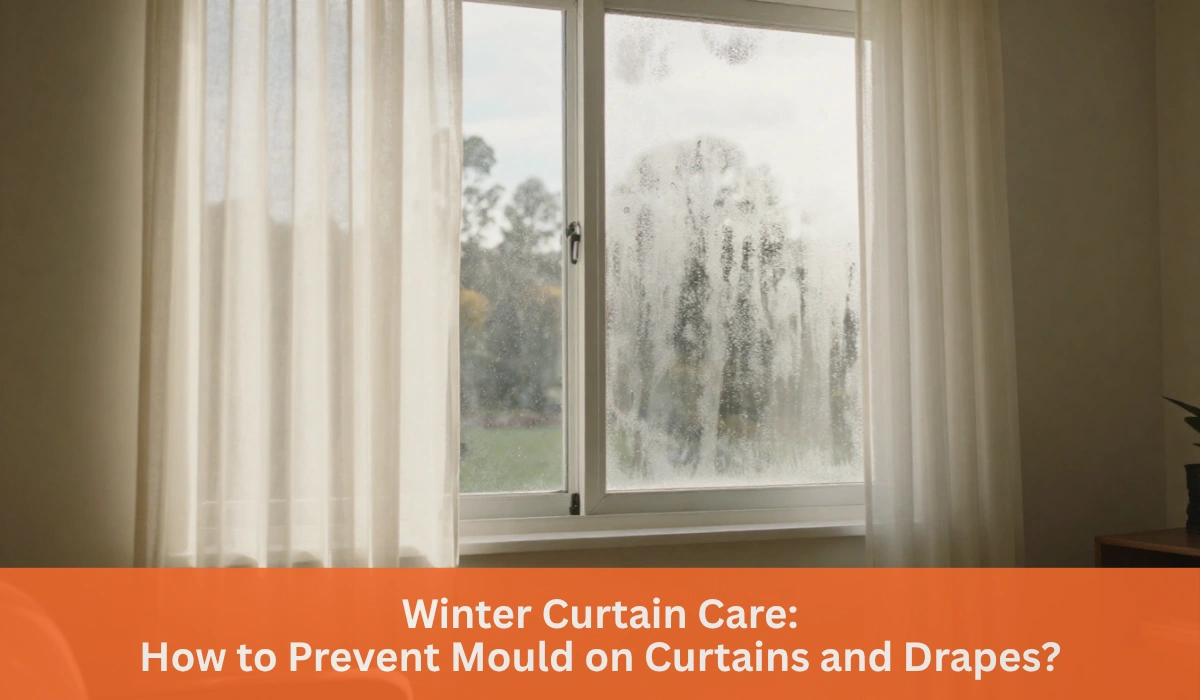
Sydney’s winters can bring a lot of challenges, especially when it comes to the increased humidity and condensation that create the perfect environment for mould growth. If you’ve noticed unsightly mould on your curtains or a musty smell in your home, it’s time to take action. Mould not only ruins the appearance of your curtains but can also pose serious health risks to you and your family. In this article, we’ll discuss why curtain mould removal in Sydney is important before winter, and provide you with some tips and professional services that can help.

Why Curtain Mould Removal Matters Before Winter?

When winter arrives, Sydney’s humidity levels tend to spike, making it a breeding ground for mould. Curtains, especially heavy ones, trap moisture and provide an ideal environment for mould spores to grow. Not only can this lead to unsightly stains, but mould also brings a range of health problems, including respiratory issues, allergies, and asthma. That’s why it’s essential to remove mould from curtains as soon as you notice it.

By taking care of this issue before winter settles in, you’ll protect your home, keep your space fresh, and ensure the longevity of your curtains.

Professional Curtain Cleaning Tips to Restore

How to Remove Mould from Curtains – DIY Methods?

If you’re dealing with mould on your curtains, you don’t necessarily need to call a professional right away. Here are a few simple DIY methods for how to remove mould from curtains and restore them to their original state.

number 1Vacuuming and Brushing:

  • Start by gently vacuuming the curtain fabric to remove loose spores.
  • Use a soft brush to dislodge any remaining mould from the fabric.

number 1Vinegar Solution:

  • Mix equal parts white vinegar and water in a spray bottle.
  • Spray the solution onto the affected areas, let it sit for 15-20 minutes, then gently scrub.
  • Rinse the curtains thoroughly and allow them to dry in sunlight, which helps kill any remaining mould.

number 1Baking Soda Paste:

  • Combine baking soda with water to make a paste.
  • Apply the paste to the mouldy spots, leave it to sit, and then scrub and rinse.

number 1Aspirin Paste (Alternative Method):

  • Crush five aspirin tablets and mix with water to form a paste.
  • Apply the paste to the mould stains, let it sit for 30 minutes, and then rinse thoroughly.

Tip: Always test a small, inconspicuous area first to ensure that the fabric won’t be damaged.

For the best results, always use a step-by-step mould treatment approach, which ensures that every layer of mould is safely removed without damaging the curtain material. These simple DIY methods can save money, but they might not work for severe mould infestations or delicate curtains. In that case, it’s best to call in the professionals.

Preventing Mould Growth on Curtains

Once you’ve removed the mould from your curtains, it’s important to implement some preventive measures to keep your curtains clean and fresh. Here are a few easy steps you can take to reduce the chances of mould returning.

  • Regular Cleaning: Wash your curtains every 1–2 months, especially in high-humidity areas.
  • Proper Ventilation: Open windows and use exhaust fans to reduce moisture levels in your home.
  • Use a Dehumidifier: Invest in a dehumidifier for rooms that tend to get damp, like bathrooms and basements.
  • Choose Mould-Resistant Fabrics: Opt for materials that are resistant to mould, especially in areas with high humidity.
  • Check Windows and Seals: Ensure your windows are properly sealed to prevent condensation from accumulating on your curtains.

These simple habits can go a long way in keeping your curtains mould-free for a longer period.

Why Timely Curtain Mould Removal is Essential?

Delaying curtain mould removal can lead to more significant health and financial issues down the road. Here’s why timely intervention is important:

  • Health Risks: Mould can cause allergic reactions, respiratory problems, and asthma flare-ups, which worsen over time if left untreated.
  • Fabric Preservation: Mould can weaken fabric fibres, Reliable to irreversible damage. Early intervention prevents permanent damage and ensures your curtains last longer.
  • Cost-Effectiveness: The longer you wait, the more extensive the cleaning process becomes, and in severe cases, you may need to replace your curtains entirely.

If you address mould growth early, you can save both money and effort in the long run. If you need an immediate fix and don’t have time to wash your curtains, you can try non-washing mould solutions that work quickly on surface mould and reduce odour.

Protect Your Home from Mould Before Winter Hits

Curtain mould removal in Sydney is essential before the winter months to prevent health risks, preserve the fabric, and keep your home smelling fresh. Whether you choose to tackle the issue yourself with DIY mouldy curtain cleaning tips or opt for professional services, acting promptly will save you from larger problems down the line. If you’re dealing with stubborn mould or need expert help, don’t hesitate to reach out to Drapes Cleaning. Their team offers efficient and eco-friendly curtain mould removal services to ensure your curtains are as good as new. For more information or to book an appointment, call Drapes Cleaning today at 0488 847 046. Let us help you keep your home safe and fresh this winter!

FAQs

Ques 1. How often should I clean my curtains to avoid mould?

Ans. Regular cleaning every 1–2 months can help prevent mould. It’s crucial for maintaining freshness and reducing the risk of curtain mould growth.

Ques 2. Can professional curtain mould removal be done on all types of fabrics?

Ans. Yes, professional curtain mould removal in Sydney works on most fabrics. Professionals use safe methods to protect delicate materials during the cleaning process.

Ques 3. Is mould removal covered by home insurance?

Ans. Some home insurance policies may cover mould removal. It’s best to check with your insurer for details on how it applies to curtain mould removal.

Ques 4. Will cleaning my curtains completely remove mould stains?

Ans. In many cases, cleaning can significantly reduce stains. However, deep mould stains may require professional curtain mould removal in Sydney for full restoration.

Ques 5. Can I prevent mould growth if I live in a very damp area?

Ans. Yes, using a dehumidifier and ensuring proper ventilation can help prevent mould growth in damp areas, including on your curtains.


Deprecated: File Theme without sidebar.php is deprecated since version 3.0.0 with no alternative available. Please include a sidebar.php template in your theme. in /home/drapescleaningco/public_html/wp-includes/functions.php on line 6170