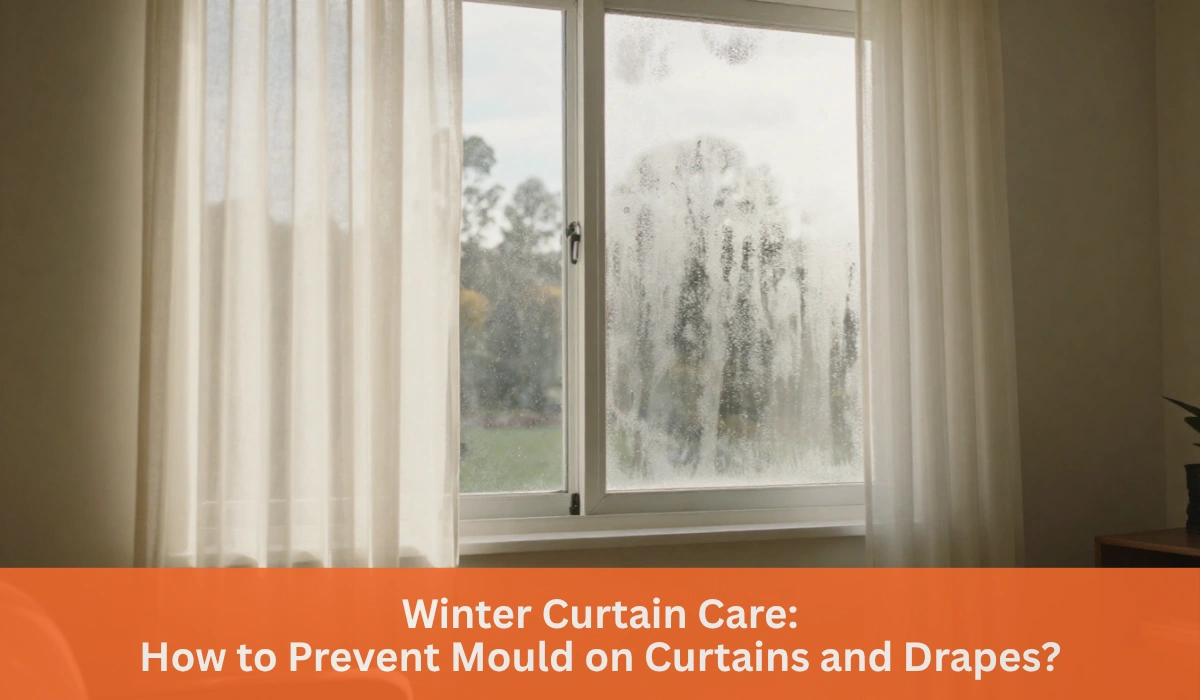
Curtains pick up dust, sunlight, smells and everyday mess more quickly than most people realise, so choosing the right way to clean them really matters. If you’ve been wondering whether dry clean curtains vs on-site cleaning is better for your home, you’re not alone. Both methods have their place, and the trick is knowing which one suits your fabric and how much cleaning it actually needs.
What Exactly Are These Two Methods?
When you start comparing dry clean curtains vs on-site services, you realise the differences come down to convenience, fabric type and how deep the cleaning needs to go.
Dry cleaning is the off-site method where specialists remove your curtains, take them to a controlled facility and clean them using solvents or specialised machines. On-site cleaning happens right at your home while the curtains stay hanging. It usually involves steam, hot water extraction or gentle in-place cleaning tools. Both are valid choices, just suited to different needs.
Advantages of Dry Cleaning (Off-Site)
When you look at curtain cleaning methods compared, dry cleaning stands out for handling delicate or high value fabrics that react badly to water or heavy moisture.
Why many people choose dry cleaning?
- Safer for materials like velvet, silk, brocade, delicate sheers and lined drapes.
- Excellent for removing deep oil-based stains and older marks that home cleaning can’t shift.
- Helps maintain the structure, shape and pleats of premium curtains.
- Curtains come back fully pressed, smooth and professionally finished.
- Better suited for thick, multi-layered curtains that hold moisture for too long if cleaned on-site.
Dry cleaning is basically the “restore and protect” method used for curtains you want to keep in perfect condition.

Advantages of On-Site Curtain Cleaning
If convenience matters most, many homeowners say the best curtain cleaning method for a busy home is on-site cleaning because nothing needs to be taken down.
Why on-site works so well?
- No taking curtains off and trying to re-hang them later.
- Fast turnaround, often same day.
- Great for general dust removal, everyday dirt and freshening up fabrics.
- Works really well in homes with large windows where removing curtains is a hassle.
- Helps prevent exposure to strong solvents, as most on-site cleaning is steam based or water based.
On-site cleaning is ideal when you want the room back to normal quickly without gaps on the windows.
Drawbacks of Each Method
When you break down curtain cleaning pros and cons, it becomes clear that neither method is perfect and the choice depends on your situation.
Dry Cleaning Drawbacks:
- Higher cost because it includes removal, transport and professional rehanging.
- Your windows sit bare for a while, which some households don’t like.
- Some people prefer to avoid chemical solvents used in typical dry cleaning processes.
On-Site Cleaning Drawbacks:
- Less effective for deep oil stains or older marks that have settled into the lining.
- Some fabrics are simply too delicate or too thick to clean safely while hanging.
- If drying is rushed or incomplete, moisture may cause mild odours or mould.
Looking at both sides helps narrow down what works best for your home and your curtains.
How to Choose Between Them?
Once you start weighing up dry clean curtains vs on-site, the decision becomes more about your curtains’ material, your lifestyle and the type of mess you’re dealing with.
Different curtains react differently to cleaning. Some fabrics can handle moisture, others shrink instantly. Some stains are easy to treat in place, others need solvents or deeper work. Laying out the deciding factors keeps the choice simple.
Consider these points:
- Fabric type: Silk, velvet, blackout linings and embroidered curtains almost always need off-site dry cleaning.
- Stain severity: Deep stains, pet accidents, smoke damage and grease marks respond better to dry cleaning. Light dirt works fine with on-site.
- Window size: Extra tall curtains, heavy tracks or big living room setups are easier to clean on-site since removal is a struggle.
- Timing: If you want the curtains back the same day, on-site wins. If quality matters more than speed, dry cleaning wins.
- Budget: On-site is typically cheaper. Dry cleaning costs more but can deliver a sharper finish.
- Health and allergies: Steam based on-site cleaning helps remove dust and allergens without chemicals.
- Curtain value: Quality or custom drapes deserve the treatment that protects them long term.
What Most Websites Don’t Tell You?
When you check curtain cleaning methods compared across the internet, you’ll notice most sites skip important real-world issues that actually matter in Australian homes.
Extra insights that influence your decision:
- Transport risks: Off-site cleaning means your curtains are moved, stored and transported. Accidental stretching, creasing or mishandling can happen.
- Sun exposure damage: Aussie sunlight fades fabrics fast. Dry cleaning can revive fabric appearance, while on-site cleaning mostly refreshes rather than restores.
- Environmental impact: On-site cleaning uses less transport and sometimes fewer chemicals, lowering environmental impact.
- Moisture risks in humid climates: In coastal regions or humid cities, on-site methods need proper drying to prevent mould.
- Layered curtain systems: Homes with curtains plus sheers plus blackout linings might need both methods used strategically.
- Hidden maintenance issues: Off-site services often check and fix hook placements, pleat alignment and small tears.
- Seasonal timing: Quality times for cleaning vary. Before winter helps reduce mould. After summer helps remove dust and pollen.
These rarely mentioned details help you make a smarter, tailored decision instead of a general one.
When Each Method Makes the Most Sense?
Choosing the best curtain cleaning method comes down to matching the cleaning style with what your curtains actually need instead of picking one at random.
Use dry cleaning when the curtains are expensive, sentimental or badly stained. Use on-site cleaning when you want practicality, quick results and a general refresh. Both methods do their jobs well when used in the right situation.
Choose dry cleaning if:
- The curtains are delicate materials or premium designs.
- Stains are older, oil based or deeply embedded.
- You want a crisp, pressed and restored finish.
Choose on-site cleaning if:
- You prefer convenience and same day results.
- The curtains mainly need dust removal and freshening.
- Removing the curtains is physically difficult or time consuming.
Final Thoughts
At the end of the day, choosing between dry clean curtains vs on-site cleaning really comes down to what your curtains are made of and how much attention they need. Some fabrics respond best to off-site care, while others clean up beautifully right where they hang. The key is picking the option that keeps your curtains looking fresh without risking shrinkage, fading or damage. If you’re still unsure which way to go, Drapes Cleaning can walk you through it and help you make the right call for your home. For honest guidance or a quick quote, contact us on 0488847046.
Thermal curtains are a smart addition to any Australian home, helping keep indoor spaces cool in summer and warm in winter. But to keep them working efficiently, regular cleaning is essential. Dust, moisture, and everyday grime can slowly reduce their insulating power and dull their appearance. Knowing how to clean thermal curtains correctly not only restores their look but also extends their lifespan. In this article, we’ll share simple, effective ways to freshen up your thermal and insulated curtains, without damaging their special lining, so your home stays comfortable, clean, and energy-efficient throughout the year.
Understanding Your Curtains and Why They Need Special Care
Before jumping into cleaning, it’s important to know what makes these curtains different. Most insulated curtains have several layers of fabric, including a foam or rubber backing that helps with temperature control. These layers can be damaged easily if not cleaned correctly, which is why proper handling and the importance and benefits of regular curtain cleaning matter so much for thermal curtains.
Thermal and insulated curtains are heavier than regular ones because of their added lining. They collect more dust, and moisture can build up behind the thick folds. If neglected, this can cause mould and odour, especially in coastal or humid regions. Learning how to maintain curtains in humid climates and prevent mould helps protect both the fabric and your indoor air quality.
Pre-Cleaning Checklist
Before you start any thick curtain cleaning methods, it’s smart to prepare properly. Here’s a quick checklist to follow:
- Check the manufacturer’s care label for washing instructions.
- Remove all hooks, rings and weights so they don’t damage the fabric.
- Shake or lightly vacuum the curtains while they are still hanging to remove surface dust, similar to basic spot cleaning curtains at home between deep cleans.
- Inspect the backing for peeling or cracks. If damaged, avoid soaking or machine washing.
- Always test a small hidden patch of fabric with your cleaning solution to check for colour fading or reaction.
- Use mild detergent and cold water; avoid bleach and strong chemicals.
This small preparation step ensures your curtains remain in top shape through the whole cleaning process.

Hand-Washing Thermal and Insulated Curtains
When dealing with delicate materials, hand-washing is often the safest choice. It’s especially effective when you’re looking to clean thermal curtains that have heavy or coated backings.
Fill a large tub or bathtub with cold water and a mild detergent. Submerge one curtain at a time and move it gently through the water. Avoid twisting or scrubbing, as that can cause the coating to separate from the fabric. Once you’ve washed it thoroughly, rinse with clean cold water until all soap is gone.
Tips for hand-washing:
- Never use hot water, as it can damage the thermal lining.
- Lift the curtain carefully; wet insulated curtains are heavier.
- Lay them flat on a towel or hang them to drip dry naturally.
- Iron only on the fabric side with low heat if needed.
This gentle approach ensures your thermal curtains stay soft and retain their insulation power.
Machine-Washing Guidelines
For curtains that are clearly labelled as machine-washable, you can use your home washing machine. It’s best to use cold water and a delicate cycle to maintain good insulated curtain care throughout.
Add a mild detergent and wash one panel at a time to prevent tangling. You can also place the curtain in a large laundry bag for extra protection. Once the cycle is complete, avoid using a dryer. Instead, hang them in a shaded area with good airflow to air dry completely.
If you’re unsure whether washing is suitable, understanding steam cleaning vs dry cleaning curtains can help you decide the safest alternative for insulated fabrics.
Quick points to remember:
- Choose the gentle or hand-wash cycle only.
- Avoid spin-drying; it may pull at the seams.
- Do not tumble dry or expose to direct sunlight.
- Rehang while slightly damp to reduce wrinkles naturally.
Machine-washing can be convenient, but always respect the curtain’s material limitations to avoid damaging the thermal backing.
Steam and Spot-Cleaning Methods
When you can’t remove the curtains easily or need a quick refresh, steaming and spot cleaning are great options. These thick curtain cleaning methods are ideal for minor stains or dust build-up between deep cleans.
Start by vacuuming the curtain gently to remove loose dust. For small stains like food splashes or drink marks, apply a mild soap solution using a soft cloth and blot gently instead of scrubbing. This works well alongside methods used to remove food and wine stains from curtains without harming the thermal lining.
If using a steamer, hold it around 15 centimetres away from the fabric and move it slowly from top to bottom. This helps loosen grime and refresh the curtain without soaking the fabric. You can also refer to this detailed guide on how to clean curtains with a steam cleaner for best results
When to Choose Professional Cleaning?
Sometimes, home cleaning just isn’t enough. If your curtains are very large, extremely heavy, or made with complex multi-layer insulation, professional cleaning is often the best choice. Professionals know how to clean thermal curtains safely without affecting their heat-retention coating.
Professional services are especially useful if:
- The thermal lining shows signs of peeling or cracking
- There’s persistent odour from smoke or pets
- Curtains haven’t been cleaned for years
In such cases, opting for get spotless curtains with professional cleaning services in Australia ensures deep cleaning without risking permanent damage.
Drying, Re-Hanging and Ironing
Drying insulated curtains correctly is just as important as washing them properly. Direct sunlight can fade the fabric and weaken the thermal coating, so always air dry them in a shaded, breezy spot. Avoid dryers completely.
Drying and re-hanging tips:
- Hang curtains by their hooks or rod to prevent fabric marks.
- Let them air dry fully before closing or folding.
- Iron only the front side on low heat if needed.
- Smooth out pleats and seams once rehung to restore their original drape.
Following these steps ensures your curtains remain functional and free of wrinkles after cleaning.
Maintaining Your Curtains Between Cleans
Regular upkeep keeps your curtains in top condition. Every couple of weeks, run a vacuum with a soft brush attachment across both sides to remove dust and cobwebs. Every few months, do a gentle refresh using light steaming or spot cleaning.
When doing curtain lining cleaning, pay attention to the hidden side of your curtains. This is where dust and moisture often collect, especially in humid or coastal regions. Keeping the lining clean prevents mould growth and unpleasant smells while extending the life of your curtain set.
Also, ensure there’s good airflow between the curtain and the window to prevent condensation and moisture build-up. A quick check once a month can save you a lot of trouble later.
Tips for Australian Homes and Large Windows
Australian homes often feature large glass doors and wide windows that require big, heavy curtains. Handling these can be tricky, so here are some easy suggestions to make curtain lining cleaning more manageable:
- Wash or clean one section at a time if your curtains are too big for the washing machine.
- Vacuum more frequently in dusty or pollen-heavy areas.
- Use sheer curtains or blinds to reduce direct sunlight on the thermal backing.
- In humid climates, keep windows slightly open to help prevent mould.
- If you’re renting, check with your property manager before removing permanently fixed curtains.
These simple habits make a big difference in extending the life and effectiveness of insulated curtains across Australia’s diverse weather conditions.
Final Thoughts
Properly cared-for curtains don’t just look better. They make your home more comfortable and energy-efficient. When you know how to clean thermal curtains the right way, you keep their insulation strong and their fabric fresh for years. If your curtains need a deeper clean or you’re unsure how to handle delicate thermal linings, Drapes Cleaning is here to help. Our specialists use safe, effective methods to restore your curtains without damaging their coating or shape. Give your home the care it deserves. Call Drapes Cleaning on 0488 847 046 today for expert, reliable curtain cleaning services.