How to Remove Cigarette Smoke Smell from Curtains?

If your home still smells smoky even after you’ve aired it out, your curtains are probably to blame. Fabric absorbs odours easily, and cigarette smoke is one of the hardest to remove. The good news? You don’t need to replace your curtains, just the smell. In this guide, we’ll show you how to remove cigarette smoke smell from curtains using simple, proven methods that actually work. From natural remedies to deep-cleaning methods, these tips will help you refresh your space and make your home smell clean again, without spending a fortune or hiring professionals right away.

Why Smoke Odour Clings to Fabrics?

Smoke contains tar, nicotine vapours, oils and volatile organic compounds (VOCs) that penetrate textile fibers and cling to them over time. Curtains with folds, linings or thick fabrics trap more residue in crevices, making it hard to just “air them out.” Once embedded, the smell keeps releasing gradually, which is why mere ventilation rarely suffices. If you’ve noticed persistent odours or stains, it might also be time to schedule a professional curtain cleaning to ensure deep residue removal.

Prep Before You Clean

Before applying any cleaning method, take these preparatory steps:

Remove Cigarette Smoke Smell from Curtains
  • Check the fabric care label, some curtains are machine washable, some dry clean only.
  • Test every cleaning solution in a hidden corner to check for color change or damage.
  • Gently shake or beat curtains outdoors to dislodge loose soot or dust.
  • Vacuum the curtains using a soft brush or upholstery attachment (top → bottom).
  • Spread drop sheets or newspapers on the floor to catch drips.
  • Work in a well-ventilated area, windows open, fans running.

For more safe home-care tips, check out how to clean curtains while still hanging — it’s a great method when removing odours without taking them down.

Mechanical & Source Removal Methods

You need to remove the bulk of residues before deodorising. Many professional smoke restoration services emphasise cigarette odour removal from curtains as a source-first process.

  • Use a dry-chemical sponge / soot sponge (available at restoration suppliers) to gently wipe surfaces.
  • Pre-spray with a mild alkaline detergent (if safe for the fabric) to break down tar/oil residues.
  • Rinse carefully but thoroughly to avoid leaving soap residue.
  • For removable curtains, consider ultrasonic cleaning, which many restoration firms in Australia use for deeper source removal.

For delicate or thick drapery, steam cleaning vs dry cleaning curtains is an important decision — each has pros and cons depending on your curtain fabric type.

Natural & DIY Deodorising Techniques

After most of the residue is gone, apply gentler methods to neutralise lingering smell. Here are DIY tips to deodorise curtains at home:

Baking Soda Soak / Sprinkle

Sprinkle baking soda lightly across the curtains or soak them in a mild baking soda solution. Let it sit for several hours (or overnight) before vacuuming or rinsing.

Vinegar Mist

Mix 1 part white vinegar to 2 parts water in a spray bottle. Lightly mist (without saturating) and allow to air dry. Vinegar helps neutralise smoke acids.

Activated Charcoal / Carbon Pouches

Place them near the curtains or tucked within folds. Leave for a few days to absorb residual odour.

Sun + Airflow Exposure

Hang curtains outdoors (in shade or diffused light) so UV and fresh breeze help break down lingering molecules.

Essential Oil / Citrus Finishing Spray

Once odour is neutralised, you can lightly mist with a very diluted blend (e.g. lemon, lavender) just for a fresh note, not to mask smoke.

These natural ways to remove smoke smell from curtains are gentle and low-cost, though they work best after deeper residue removal. If mould or damp smells also accompany smoke, you may want to read best ways to get rid of mould from curtains for a deeper cleaning guide.

Deep Clean & Professional Methods

When the smell persists despite your best DIY efforts, stronger methods are needed. These practices are used by experts in curtain cleaning for smoke odour removal.

  • Steam cleaning / hot water extraction – If the fabric tolerates heat, using a steam cleaner can help draw out residual molecules.
  • Dry cleaning / professional curtain cleaners – Especially for delicate or lined curtains, professional chemical approaches may be safer and more effective.
  • Ozone treatment or ionisers – Ozone oxidizes smoke compounds, and ionisers can charge particles so they adhere and can later be cleaned; both are typically handled by professionals due to safety concerns.
  • Thermal fogging / sealing / encapsulation – These advanced methods “mask and convert” remaining residues at a molecular level, or seal in odours when nothing else works.
  • HVAC & duct cleaning – Even if curtains are clean, the HVAC system can re-deposit smoke particles back on them. Cleaning air ducts and changing filters helps prevent that fallback.

If you go professional, ask specifically for professional curtain cleaning for cigarette odour and get a quote for full treatment (including ozone or fogging if needed). For long-term freshness, eco-friendly curtain cleaning is an excellent choice to deodorise safely while protecting your fabric and indoor air quality.

How to Freshen Curtains After Smoking Indoors?

Once you’ve removed the smell, it’s vital to maintain freshness. These curtain deodorising tips help you avoid relapse:

  • No indoor smoking. Confine smoking outdoors, at least away from windows and openings
  • Use an air purifier with activated carbon / HEPA filters near curtains
  • Vacuum and dust the curtains monthly.
  • Occasionally use a light mist (vinegar or enzyme cleaner) as a refresher.
  • Keep microfiber dusters or lint rollers handy to stop dust & particles from settling.

These small habits can prevent the return of lingering odours. Regular care matters — explore the importance of regular curtain cleaning for a healthy home to understand why this routine is essential.

Knowing When to Replace Curtains

If after a few deep clean cycles the smell still persists, the fabric may be too saturated. At that point, it’s more practical to remove tobacco smell from curtains by replacing them. Consider:

  • Fabrics that are washable or stain-resistant
  • Sheer or lighter materials that don’t trap as much residue
  • Curtains designed for “smoke-resistance” or easy cleaning

Sometimes fresh curtains save you time, money, and frustration. Also, if your curtains are visibly stained or discoloured, that’s a top sign your drapes need professional cleaning before damage becomes permanent.

Putting It All Together: Step-by-Step Summary

Here’s a simplified approach combining all steps:

  1. Prepare – Check the fabric label, test cleaning products, shake the curtains outdoors, and vacuum them properly.
  2. Source removal – Use a dry sponge to wipe tar, apply mild detergent or pre-spray, then rinse carefully.
  3. DIY deodorise – Try baking soda, vinegar spray, or charcoal pouches, and air the curtains outside for freshness.
  4. Deep / pro methods – Use steam cleaning or dry cleaning, or hire experts for ozone or fogging treatments.
  5. Maintenance – Run air purifiers, avoid smoking indoors, and vacuum curtains regularly to prevent odours returning.
  6. Evaluate replacement – If the smell remains after several cleanings, consider replacing your curtains with new ones.

Following this layered approach ensures you tackle both the visible residue and the hidden molecular smell.

Final Thoughts

Removing that stubborn smoky scent from your curtains doesn’t have to be a struggle. With the right approach, you can remove cigarette smoke smell from curtains and enjoy a cleaner, fresher home again. Regular care, natural deodorising, or a professional deep clean can make all the difference. If the smell just won’t budge or you’d rather leave it to the experts, contact Drapes Cleaning today. Our specialists use safe, effective methods to restore your curtains to their best condition. Call us on 0488 847 046 and let’s bring back the freshness and comfort your home deserves.


Last summer in Sydney, I remember pulling my curtains closed after a humid day and being hit with that damp, musty smell. A closer look revealed tiny black spots starting to creep along the fabric. It was frustrating because I had just washed them weeks earlier, and yet mould was back again. If you’ve lived through our sticky coastal summers, you probably know this scene too well. Curtains look soft and harmless, but in a humid home they can become the perfect hiding spot for mould. That’s why curtain mould prevention matters so much. It saves you from constant cleaning, protects your health, and keeps your home feeling light and fresh. Here’s what really works when the humidity won’t let up.

Understanding the Root Causes of Curtain Mould

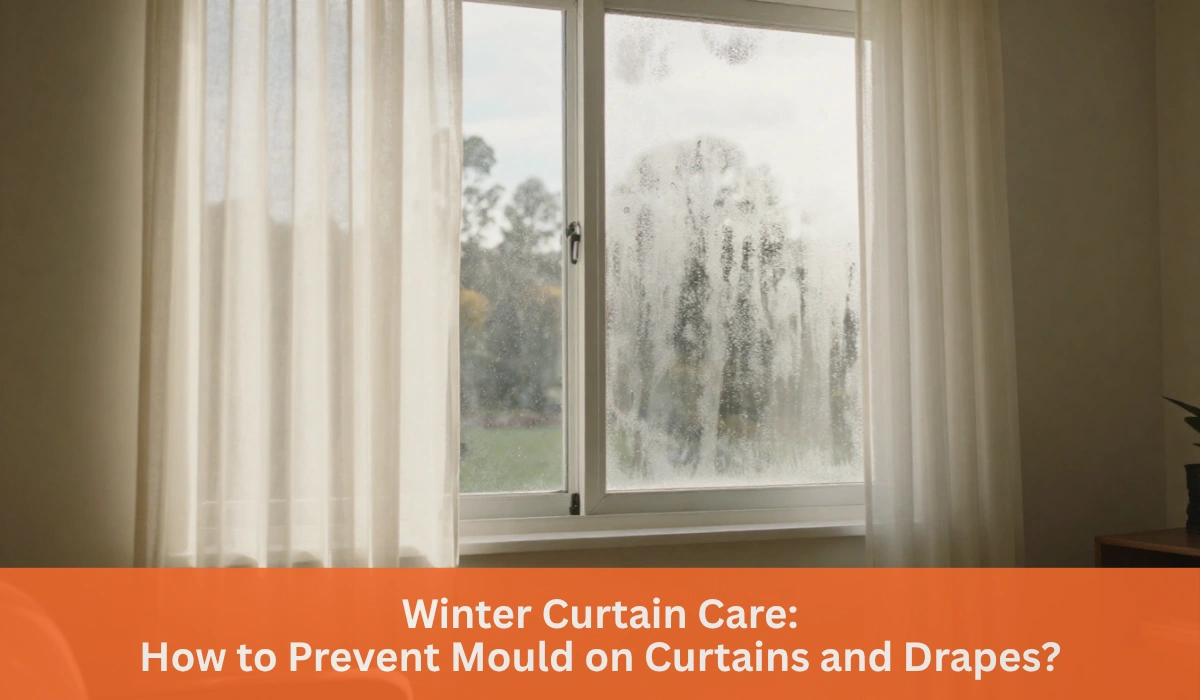
Mould thrives wherever moisture lingers, which is why humid climate curtain care starts with knowing exactly where the problem begins. In most homes, curtains hang close to windows, which are prime spots for condensation and poor airflow. When the air outside is damp and warm, and the inside is cool from air-conditioning, droplets collect on the glass. That moisture easily transfers into heavy fabrics, giving mould a perfect environment to grow.

Other culprits include:

  • Bathrooms and kitchens where steam builds up quickly.
  • Thick, natural fabrics like velvet that take too long to dry.
  • Crowded curtain folds where air circulation is almost non-existent.

The good news? Once you understand the causes, you’re halfway to preventing mould before it starts.

Maintain Curtains in Humid Climates

Choosing the Right Curtain Material

The fabric you pick can make or break your anti-mould curtain tips strategy. In humid areas, breathable, lightweight materials are your best friends. Cotton and linen allow air to pass through, making it harder for moisture to cling. For a more practical option, synthetic blends like polyester or acrylic resist dampness and dry faster, perfect for homes near the coast.

If you love the look of heavy curtains, consider using a light lining or layering them with sheers. This way, you can keep the aesthetic you want while reducing the risk of mould developing deep in the folds.

Ventilation: The Unsung Hero of Fresh Curtains

Without good airflow, even the best fabrics won’t stay fresh. That’s why curtain mould prevention also means giving your curtains space to breathe. Keep them slightly open during the day so air can move between the fabric and the window. This small habit reduces condensation build-up significantly.

Other easy tricks include:

  • Opening windows when outside air isn’t too damp, usually mornings or evenings.
  • Running exhaust fans during showers and cooking.
  • Placing a portable dehumidifier in rooms that always feel stuffy.
  • Adding moisture absorbers like silica pouches or activated charcoal near curtain hems.

Sometimes, it’s the simplest tweaks that have the biggest impact on long-term freshness.

Cleaning and Maintenance Made Simple

Regular care is the backbone of humid climate curtain care, and it doesn’t need to be overwhelming. Treat your curtains like any other fabric that collects dust and moisture. The more consistently you maintain them, the less chance mould has to sneak in, which is why understanding the importance of regular curtain cleaning makes such a difference in humid homes.

Here’s a quick checklist:

  • Vacuum weekly with a soft brush attachment to remove surface dust and spores.
  • Wash monthly if machine-safe, using gentle detergent with a cup of vinegar or baking soda added.
  • Wipe down window sills and frames at the same time. You’d be surprised how much hidden moisture they hold.
  • Rotate curtains or swap them between rooms seasonally to expose folds that usually stay closed.

By treating curtain care as part of your normal cleaning routine, you stop mould before it even gets a chance.

How to Handle Existing Mould?

Even with the best intentions, mould can sometimes still appear. This is where mould removal from curtains becomes essential. if caught early, it’s often easy to fix, especially when you know how to remove mould from fabric curtains without causing damage.

Start small:

  • Mix baking soda with water to form a paste, gently scrubbing the affected area before washing.
  • Try lemon juice and salt on lighter fabrics for a natural bleaching effect.
  • Use antibacterial sprays like Glen 20 for stubborn spots, but always test a hidden patch first.

For thicker or more delicate curtains, professional dry-cleaning is often the safest option. When in doubt, send them off rather than risk damaging the fabric yourself. In some cases, learning the best ways to get rid of mould from curtains can prevent permanent fabric damage.

If your curtains can’t be washed easily, it’s also useful to know how to remove mould from curtains without washing using targeted treatments.

Smart Extras for Australian Homes

Methods and a bit of planning can make a big difference. Thinking beyond basic cleaning, these anti-mould curtain tips work especially well in humid coastal regions:

  • Install automated blinds or smart curtain tracks that open slightly during the day, improving airflow without you lifting a finger.
  • Use external shading like awnings or shade sails to reduce condensation by limiting direct sun-heat on your windows.
  • Hang curtains a few centimetres above the floor to avoid pooling fabric, which often traps hidden moisture.
  • Switch to layered curtains in summer—sheers during the day, block-outs at night—so fabrics don’t stay damp for long periods.

Adding these smart touches gives you long-lasting protection while keeping your home stylish.

Local Tips for Sydney & Coastal Australia

High humidity is part of life along the Australian coast, which is why many homeowners opt for professional curtain mould removal before winter to stop spores spreading when homes are closed up for longer periods.

You can also reduce the need for professional help by:

  • Keep indoor humidity below 50% with dehumidifiers, especially during wet summers.
  • Use moisture absorbers in wardrobes or storage rooms connected to curtain areas.
  • Swap heavy drapes for breathable fabrics during the sticky months, then store the heavy ones in airtight, breathable containers.
  • Choose curtain rods and fittings made of stainless steel or powder-coated metal to prevent rust and mildew spreading onto fabric.

By tailoring your care routine to Sydney’s climate, you’ll cut down dramatically on the chances of mould making a comeback.

Why Act Fast Matters?

Curtains are often overlooked because they hang quietly in the background. But when ignored, mould doesn’t just damage the fabric, but it also releases spores into your home. That’s why mould removal from curtains should be immediate rather than “when I get around to it.” The quicker you clean, the less likely the mould spread to walls, furniture, or carpets.

And remember that prevention is always easier and cheaper than replacement. Investing a little time in your curtains saves you from costly professional cleaning or buying new sets altogether.

Wrapping Up

The small habits we’ve covered, from airflow to regular cleaning, can make a big difference over time. Still, when the humidity gets relentless or the mould keeps coming back, reliable professional curtain cleaning services in Australia can help restore freshness and protect your curtains long-term.

At Drapes Cleaning, we’ve helped countless Sydney homes breathe easier with professional care that goes beyond surface cleaning. If you’re serious about curtain mould prevention and want your drapes fresh, safe, and long-lasting, give us a call today on 0488 847 046. Let’s keep your curtains and your home feeling clean and comfortable all year round.


Deprecated: File Theme without sidebar.php is deprecated since version 3.0.0 with no alternative available. Please include a sidebar.php template in your theme. in /home/drapescleaningco/public_html/wp-includes/functions.php on line 6170