Living in Southbank means waking up to stunning views of the Yarra River, the Melbourne skyline, and the buzz of one of Australia’s most vibrant urban neighbourhoods. But behind those gorgeous floor-to-ceiling windows, your curtains are quietly working overtime — collecting traffic pollution, city dust, cooking smells, moisture, and allergens every single day.
If you’re a renter, Airbnb host, or property manager in one of Southbank’s iconic high-rise apartments, professional curtain cleaning Southbank services should be on your maintenance calendar every six months. It’s not just about aesthetics — it’s about your health, your indoor air quality, and the long-term condition of your curtains.
Most people don’t realise how much grime accumulates in curtain fabric until the damage is already done. By the time you notice discolouration or a musty smell, your curtains may have been harbouring dust, bacteria, and mould spores for months. Regular professional cleaning prevents all of that before it starts.
Why Curtains Get Dirty Faster in Southbank Apartments?
Southbank isn’t your average suburban neighbourhood. It’s a high-density urban environment sitting right alongside one of Melbourne’s busiest traffic corridors. That creates a unique set of challenges for your curtains.
Traffic Pollution and City Dust
Southbank sits adjacent to the CityLink, Kings Way, and St Kilda Road — some of Melbourne’s most heavily trafficked roads. Every time a window or balcony door opens, fine particulate matter from vehicle exhaust, road dust, and urban pollution drifts inside and settles directly into your curtain fabric. Over time, this builds up into a layer of grey, grimy residue that no amount of vacuuming will fully remove.
Limited Ventilation in Apartments
Southbank’s high-rise apartments are often designed to maximise views rather than airflow. Tighter indoor spaces mean airborne particles — dust, skin cells, cooking residue — have fewer places to go. They settle on surfaces, and curtains, with their large fabric surface area, act like giant air filters, catching and holding everything that floats past.
Cooking Odours and Airborne Grease
Open-plan kitchens are standard in modern Southbank apartments, which means curtains in living areas are constantly exposed to cooking fumes, steam, and airborne grease particles. These particles bond with fabric fibres, creating persistent odours and a sticky surface that traps even more dust.
Moisture from the Yarra River and Bathrooms
Southbank’s position alongside the Yarra River creates a naturally humid microclimate, especially during Melbourne’s warmer months. Combined with the steam from showers, cooking, and general apartment living, this elevated humidity creates ideal conditions for mould and mildew to take hold in curtain fabric near windows and wet areas. Knowing how to maintain curtains in humid climates to prevent mould is essential for every Southbank apartment dweller, particularly those on lower floors closer to the riverbank.
Pet Hair and Allergens
Many Southbank apartments are pet-friendly, and curtains are magnets for pet hair, dander, and the allergens that come with them. These particles embed deep into curtain fibres and can trigger allergies and respiratory issues long after your pet has left the room.
Hidden Problems Dirty Curtains Can Cause
You might not be able to see what’s living in your curtains, but your body often knows. Here’s what happens when curtain cleaning is neglected.
Poor Indoor Air Quality
Curtains that are loaded with dust, pollution particles, and allergens actively degrade the air quality inside your apartment. Every time someone walks past, opens a window, or turns on a fan, those particles get disturbed and re-released back into the air you breathe.
Allergies and Respiratory Irritation
For anyone with asthma, hay fever, or general sensitivities, dirty curtains can be a serious trigger. Dust mites, mould spores, pet dander, and pollen all find a home in curtain fabric, and in the enclosed environment of a Southbank apartment, there’s nowhere for those allergens to escape.
Musty Odours
Curtains in humid environments are particularly prone to developing that familiar musty smell — the kind that no amount of air freshener covers up. This odour is usually a sign of mould or bacterial growth within the fabric itself.
Mould and Mildew Growth
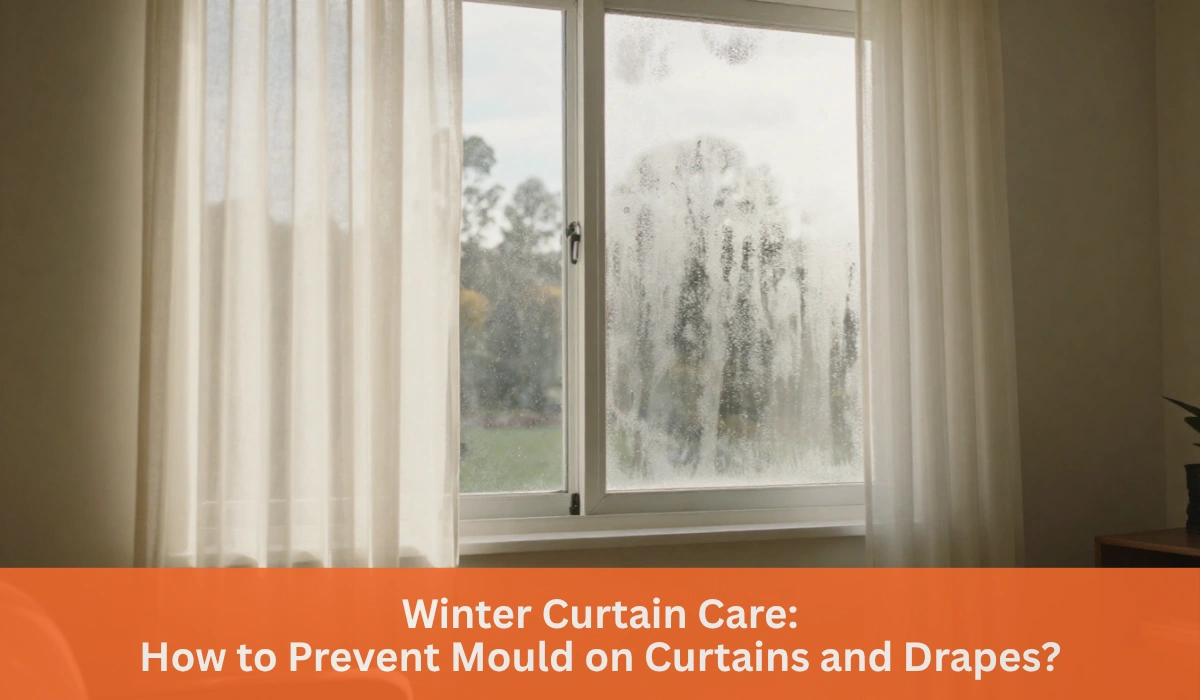
In apartments near the Yarra River or those with poor ventilation, mould can take hold in curtain fabric surprisingly quickly. Once established, mould spores are hazardous to health and very difficult to remove without professional treatment. Our detailed walkthrough on how to remove mould from your fabric curtains covers which DIY approaches are safe and when you need to escalate to a professional mould removal service.
Fabric Deterioration
Pollution particles, moisture, and embedded grime are all abrasive at a microscopic level. Over time, they break down curtain fibres, causing fabrics to thin, fade, and eventually tear. Regular cleaning doesn’t just keep curtains looking good — it actually extends their usable life significantly.
Why Curtain Cleaning Every 6 Months Matters?
For Southbank apartment residents in particular, six-monthly professional curtain cleaning is the recommended standard — not yearly, not every couple of years. Here’s why that interval matters.
Removes Dust and Allergens
A deep professional clean removes the layers of accumulated dust, pollen, dust mite waste, and other allergens that build up over six months of city living. This makes an immediate, noticeable difference to indoor air quality. The importance and benefits of regular curtain cleaning extend well beyond appearance — consistent cleaning schedules are directly linked to better respiratory health outcomes for apartment residents.
Reduces Odours
Professional curtain cleaning treatments penetrate deep into fabric fibres to neutralise cooking smells, pet odours, cigarette smoke, and general mustiness — rather than just masking them on the surface.
Prevents Mould Growth
By removing the moisture, dust, and organic matter that mould feeds on, professional cleaning at the six-month mark stops mould colonies before they can establish themselves. This is particularly important in Southbank’s humid riverside environment.
Extends Curtain Lifespan
High-quality curtains in Southbank apartments represent a significant investment. Regular professional cleaning removes the grit and residue that causes premature fabric wear, helping your curtains look and perform their best for years longer. Understanding why professional curtain cleaning saves money long-term makes the case clear — extending curtain lifespan by years far outweighs the cost of a bi-annual service.
Improves Apartment Appearance
Fresh, clean curtains transform the look of an apartment instantly. Whether you’re a property manager preparing for a new tenant, an Airbnb host between bookings, or simply someone who takes pride in their home, professionally cleaned curtains make every room feel brighter, cleaner, and more welcoming.
Creates Healthier Indoor Spaces
Cleaner curtains mean cleaner air, and cleaner air means better sleep, fewer allergy symptoms, and an overall healthier living environment. For families with children, elderly residents, or anyone with respiratory conditions, this benefit alone justifies the six-month cleaning schedule.
Signs Your Curtains Need Professional Cleaning
Not sure if it’s time to book? Watch for these warning signs.
- Visible dust or grey discolouration along the top folds and hems
- A musty or stale smell that persists even after opening windows
- Increased allergy symptoms at home — sneezing, watery eyes, congestion
- Stains or tide marks from moisture, cooking, or accidental spills
- Mould spots or dark patches near window tracks or sill level
- Curtains that look dull or dingy compared to when they were new
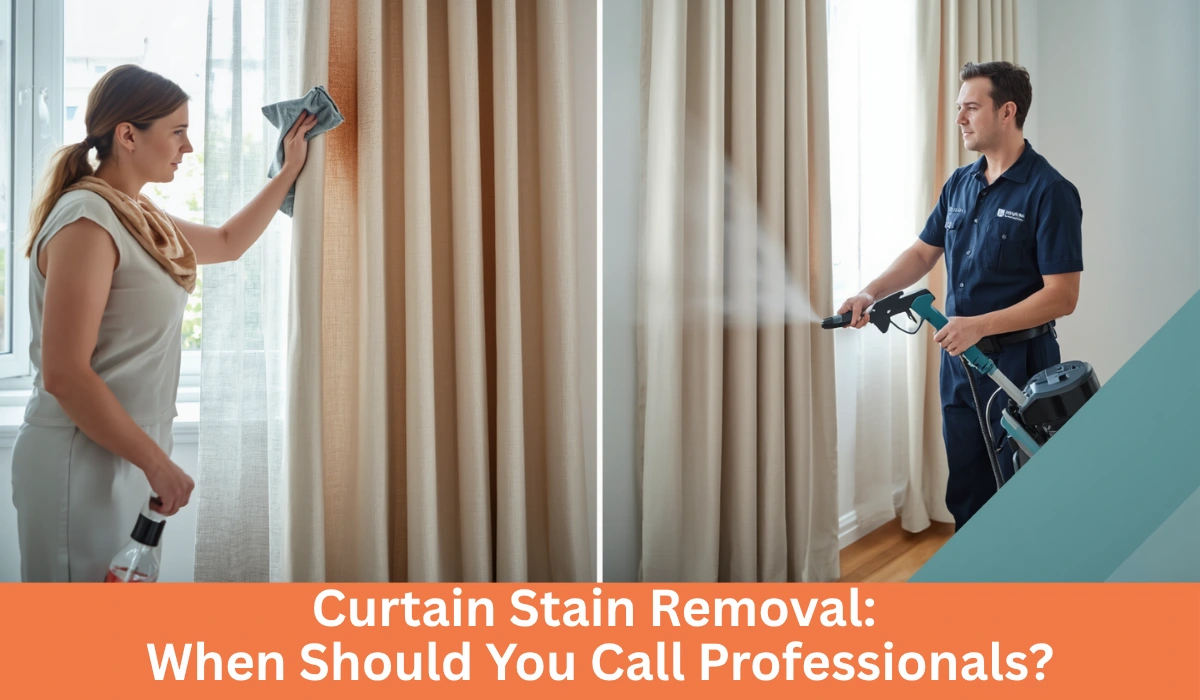
Our comprehensive article on the top signs your drapes need professional cleaning goes deeper on each of these indicators and helps you decide whether a spot treatment or a full professional service is the right call.
DIY Curtain Cleaning vs Professional Curtain Cleaning
It’s tempting to think a quick vacuum or a machine wash will do the job. But for Southbank apartment curtains dealing with pollution, moisture, and constant use, DIY approaches have real limitations.
Vacuuming and Spot Cleaning
Regular vacuuming can remove surface dust, but it doesn’t penetrate deep into fabric fibres where allergens, bacteria, and fine pollution particles live. Spot cleaning addresses visible stains but does nothing for the embedded grime across the entire curtain.
Risks of Home Washing
Many modern apartment curtains — particularly the sheers, linens, and velvet drapes popular in Southbank’s stylish interiors — are not suitable for machine washing. Home washing can cause shrinkage, colour bleeding, permanent creasing, and damage to delicate fabric weaves that no amount of ironing will fix.
Benefits of Professional Steam or Dry Cleaning
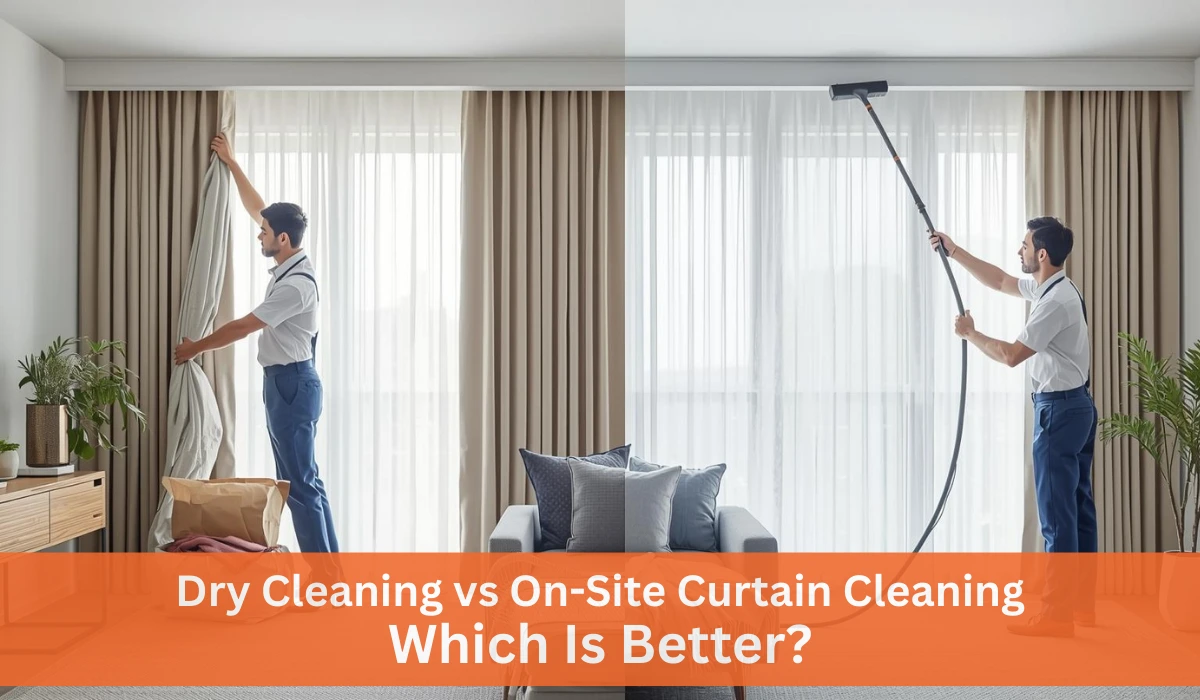
Professional services use specialist equipment and fabric-appropriate techniques that remove far more contaminants than home methods, without risking damage to delicate textiles. They also apply treatments to sanitise, deodorise, and protect fabric. For a full side-by-side comparison, see our breakdown of dry cleaning vs on-site curtain cleaning to understand which method suits your curtain type and living situation.
Quality Curtain Cleaning Methods for Apartments
Steam Cleaning
Steam cleaning uses high-temperature vapour to penetrate curtain fabric, kill bacteria and dust mites, loosen embedded grime, and deodorise without harsh chemicals. It’s effective for most fabric types, including polyester, cotton blends, and linen. Our article on steam cleaning curtains — pros, cons, and the full process explained covers everything from equipment types to drying times and suitability by fabric.
Dry Curtain Cleaning
Dry cleaning uses solvent-based processes that are ideal for delicate fabrics like silk, velvet, and certain synthetic blends that cannot tolerate moisture. It’s the safest option for luxury curtains and heritage fabrics.
On-Site Curtain Cleaning
On-site cleaning means a professional comes to your Southbank apartment and cleans your curtains while they’re still hanging — no removal, no transport, no reinstallation. For apartment dwellers, this is often the most practical and convenient option.
Deodorising Treatments
Standalone deodorising treatments neutralise persistent smells from cooking, pets, smoke, and moisture at the fibre level. They’re often combined with steam or dry cleaning as part of a comprehensive service.
Why Apartment Residents Choose Professional Curtain Cleaning?
Convenience
For busy Southbank professionals, renters, and property managers, professional on-site cleaning means no taking down curtains, no trips to the dry cleaner, and no waiting days for curtains to dry at home. Our guide on how to clean curtains while still hanging details exactly how on-site services work for apartments of any size.
Faster Drying
Professional equipment extracts moisture far more effectively than home methods, meaning curtains are dry and ready within hours rather than days. No risk of mildew developing during an extended drying period — a critical advantage in Southbank’s humid apartment environment.
Better Stain and Odour Removal
Professional-grade equipment and solutions remove stains and odours that home methods simply can’t touch — including wine, grease, mould, and embedded smoke.
Safer for Delicate Fabrics
Professional cleaners assess each fabric type before choosing the appropriate method, eliminating the risk of shrinkage, colour loss, or weave damage that comes with home washing.
Seasonal Curtain Cleaning Tips for Southbank Apartments
Spring: Allergen Removal
Melbourne’s spring brings pollen season, and Southbank’s proximity to parks and the Yarra riverbank means apartments collect significant amounts of pollen. A spring clean removes the accumulated allergens of winter and prepares your curtains for the warmer months.
Winter: Mould Prevention
Winter in Southbank means windows are kept closed, ventilation is reduced, and condensation builds up on glass surfaces. This is prime mould season for curtains. A clean in autumn, before the worst of winter sets in, removes the organic material that mould needs to grow.
Summer: Dust Management
Summer’s open windows and ceiling fans keep Southbank apartments feeling fresh, but they also circulate dust and pollution particles directly onto curtain fabric. A summer clean removes the buildup and keeps indoor air quality high through the peak socialising season.
How Professional Curtain Cleaning Improves Indoor Air Quality?
Curtains act as passive air filters inside your apartment. Over six months, they collect:
- Traffic pollution particles (PM2.5 and PM10)
- Dust mite waste products
- Mould spores from bathroom and kitchen moisture
- Pollen from Southbank’s parks and riverbank
- Pet dander and hair
- Cooking residue and tobacco odours
When those curtains are professionally cleaned, all of that is removed from your indoor environment in one service. The result is air that’s genuinely cleaner and fresher — something you’ll notice immediately after a professional clean. For a full picture of what a professional service looks like from start to finish, our guide to professional curtain cleaning in Melbourne — what to expect is the most useful starting point for first-time customers.
Why Southbank Residents Book Professional Curtain Cleaning Services?
Busy Apartment Lifestyles
Southbank attracts professionals, young families, and frequent travellers — people who value their time. Professional curtain cleaning fits around your schedule and gets the job done without disrupting your day.
High-Rise Pollution Exposure
The higher the floor, the more exposure to wind-carried pollution particles. High-rise apartments in Southbank’s distinctive towers face elevated levels of fine dust and city grime compared to ground-level dwellings.
Maintaining Modern Interiors
Southbank’s apartments are known for their contemporary design. Clean, fresh curtains are essential to maintaining that polished interior look — and professional cleaning keeps colours vibrant and fabrics looking their best.
End-of-Lease Cleaning Needs
For renters, curtain cleaning is often a requirement at end of lease. Professional cleaning ensures curtains are returned to their original condition, protecting your bond and meeting property manager expectations.
Frequently Asked Questions
Ques. How often should apartment curtains be professionally cleaned?
Ans. For apartments in high-density urban areas like Southbank, professional curtain cleaning is recommended every six months. The combination of traffic pollution, cooking fumes, limited ventilation, and Yarra River humidity means curtains accumulate grime faster than in suburban or rural settings.
Ques. Can curtain cleaning remove mould and smells?
Ans. Yes. Professional steam cleaning and dry cleaning services are both effective at killing mould spores and eliminating the odours they produce. Deodorising treatments can also be applied as part of the service to neutralise persistent smells from cooking, pets, and smoke.
Ques. Is steam cleaning safe for delicate curtains?
Ans. Steam cleaning is safe for most curtain fabrics, including polyester, cotton, linen, and blends. Delicate fabrics like silk, velvet, and certain synthetics are better suited to dry cleaning. A professional service will assess your fabric before choosing the appropriate method.
Ques. How long does curtain cleaning take?
Ans. For on-site curtain cleaning, most standard apartment jobs take between one and three hours, depending on the number and size of curtains. Curtains treated on-site are typically dry and ready to use within a few hours of the service.
Ques. Can curtains be cleaned without removing them?
Ans. Yes. On-site curtain cleaning allows your curtains to be cleaned while still hanging on their tracks or rods. This is particularly convenient for Southbank apartment residents and removes the risk of damage during removal and reinstallation.
Ques. Does curtain cleaning help with allergies?
Ans. Absolutely. Curtains are a major reservoir for dust mites, pollen, pet dander, and mould spores — all common allergy triggers. Professional cleaning removes these allergens from your curtains and improves overall indoor air quality, which can significantly reduce allergy symptoms experienced at home.
Ques. How much does curtain cleaning cost?
Ans. Pricing varies depending on the number of curtains, fabric type, and the cleaning method required. Factors that affect the cost include the number of panels, the fabric type, and whether on-site or off-site cleaning is needed. Ask your service provider for a quote before booking so there are no surprises.
Book Professional Curtain Cleaning in Southbank Today
Your curtains do a remarkable job of making your Southbank apartment look and feel like home. The least you can do is return the favour with a professional clean every six months.
Whether you’re dealing with stubborn dust, lingering cooking smells, mould patches near the window, or curtains that have simply lost their lustre, professional curtain cleaning Southbank services can restore them to their best condition — quickly, safely, and without the hassle of doing it yourself.
Don’t wait until the damage is visible. Refresh your apartment curtains every six months and enjoy cleaner air, a fresher home, and curtains that last longer.
Book Your Curtain Cleaning Service Today at Drapes Cleaning — Remove Dust, Odours & Allergens Fast
For everything you need to know before you book, start with our complete guide to getting spotless curtains with professional cleaning services in Australia — from choosing the right method to what to expect on the day.